CBAM and India's CCTS – Protecting Export Competitiveness
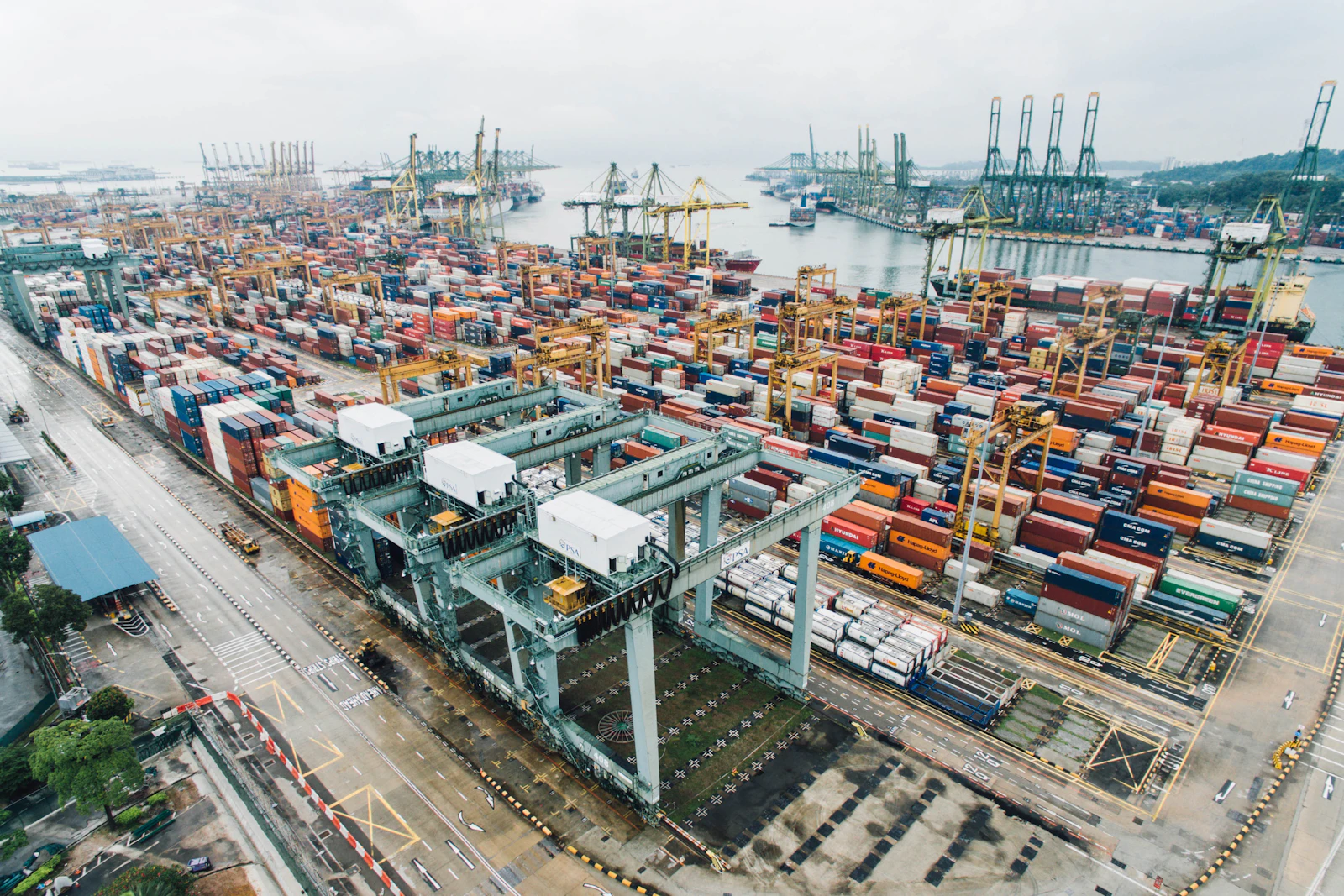
Introduction: CBAM Is Already Hurting Indian Exports
The Carbon Border Adjustment Mechanism (CBAM) is the European Union's carbon tariff on imports. It came into effect on January 1, 2026, placing a carbon price on emissions from highly traded, carbon-intensive products.
The impact on Indian exporters has been immediate and severe.
India's steel and aluminium exports to the European Union fell 24.4 percent in FY 2025, with steel alone down 35.1 percent—before any CBAM financial obligation had taken effect.
This is not a future problem. It is a current crisis. Indian exporters who cannot demonstrate carbon reduction face real and growing costs—and potential exclusion from one of India's most important export markets.
The connection to India's Carbon Credit Trading Scheme (CCTS) is direct and strategic. As one analysis noted, the launch of India's carbon market will enable Indian companies to demonstrate compliance with external carbon pricing schemes such as CBAM.
This guide explains CBAM, its impact on Indian exporters, how participation in India's CCTS can help protect export competitiveness, and what every exporter must do to prepare.
What Is CBAM and How Does It Work?
What Is CBAM?
The Carbon Border Adjustment Mechanism is the EU's policy to impose a carbon price on imports of certain goods from countries with less ambitious carbon pricing policies.
The Rationale
CBAM is designed to:
- Prevent carbon leakage: Ensure that EU emissions reductions are not offset by increased emissions outside the EU
- Level the playing field: Protect EU industries from competition with producers in countries with weaker carbon regulations
- Incentivise global action: Encourage other countries to adopt carbon pricing
How It Works
| Step | Description |
|---|---|
| 1. Declaration | Importers must declare the embedded emissions of their imports |
| 2. Certificate Purchase | Importers purchase CBAM certificates to cover these emissions |
| 3. Deduction | If a carbon price has already been paid in the country of origin, it can be deducted |
| 4. Compliance | Importers must submit annual reports and compliance declarations |
The CBAM Transition Timeline
| Phase | Period | Requirement |
|---|---|---|
| Transitional | October 2023 – December 2025 | Reporting only, no payment |
| Definitive | January 1, 2026 | Payment phase begins |
The CBAM Charge
| Sector | CBAM Charge (Estimated) |
|---|---|
| Steel | €65–70 per tonne of CO₂ |
| Aluminium | €65–70 per tonne of CO₂ |
| Cement | €65–70 per tonne of CO₂ |
| Fertilizer | €65–70 per tonne of CO₂ |
Sectors Covered
CBAM currently covers:
- Iron and steel
- Aluminium
- Cement
- Fertilizer
- Electricity
- Hydrogen
The Numbers: 24.4% Drop Before CBAM Even Bites
The Data
| Metric | Value |
|---|---|
| Steel and aluminium exports to EU (FY 2025) | $10.2 billion |
| Decline in FY 2025 | 24.4% |
| Steel exports decline | 35.1% |
| Aluminium exports decline | 14.8% |
| CBAM charge | €65–70 per tonne |
| Indian steel exports to EU | ~2.2 million tonnes |
| Estimated CBAM liability | €143–154 million |
What These Numbers Mean
- 24.4% decline occurred before any CBAM financial obligation had taken effect
- European buyers are already reorienting toward lower-emission producers
- The financial impact of CBAM has not even begun to bite
- The decline will intensify as CBAM costs are fully applied
Why the Drop Happened
Even before the payment phase began, European buyers started reorienting toward lower-emission producers. This was driven by:
- Anticipation of CBAM costs: Buyers expected higher costs from Indian suppliers
- Corporate net-zero commitments: European companies are under pressure to reduce their Scope 3 emissions
- Regulatory pressure: EU regulations are pushing companies toward cleaner supply chains
- Reputational concerns: Companies want to avoid association with high-emission suppliers
The Financial Impact
| Scenario | Estimated Annual Cost |
|---|---|
| CBAM charge only | €143–154 million |
| CBAM charge + lost market share | €200–300 million+ |
How CCTS Can Shield Exporters from CBAM
The Mechanism
CBAM allows for the deduction of a carbon price already paid in the country of origin. CCTS compliance certificates can serve as evidence of this carbon price.
How CCTS Compliance Helps
| Aspect | How CCTS Helps |
|---|---|
| Carbon Price Evidence | CCTS certificates provide verifiable proof of carbon compliance |
| CBAM Deduction | CCTS compliance can be used to reduce CBAM liability |
| Credibility | CCTS is an official, government-backed scheme |
| Transparency | Verifiable, auditable carbon compliance data |
| Competitive Advantage | Demonstrates carbon leadership to buyers |
The Strategic Advantage
Companies that participate in the CCTS and demonstrate carbon reduction will:
- Have verifiable evidence of carbon compliance
- Potentially reduce CBAM liability
- Maintain export competitiveness
- Access premium markets that value sustainability
India's Negotiating Position
India is actively seeking recognition of CCTS certificates for CBAM purposes. A "CBAM-aligned Tier" within the CCTS is being discussed. This would provide additional confidence to EU importers and potentially reduce CBAM liability for Indian exporters.
The Cost of Inaction
| Inaction | Consequence |
|---|---|
| Not participating in CCTS | Full CBAM charges apply |
| No carbon compliance | Reduced competitiveness, lost market share |
| Delaying action | Higher costs, reputational damage |
Sector-by-Sector Impact
Steel
| Metric | Value |
|---|---|
| Exports to EU (FY 2025) | $7.4 billion |
| Decline in FY 2025 | 35.1% |
| CBAM estimated charge | €65–70 per tonne |
| CBAM liability estimate | ~€143–154 million |
| Key Indian exporters | Tata Steel, JSW Steel, SAIL, ArcelorMittal Nippon Steel |
| CBAM exposure | High |
Outlook: Significant impact. Exporters must act quickly to reduce emissions or risk losing market share.
Aluminium
| Metric | Value |
|---|---|
| Exports to EU (FY 2025) | $2.8 billion |
| Decline in FY 2025 | 14.8% |
| CBAM estimated charge | €65–70 per tonne |
| CBAM liability estimate | ~€40–45 million |
| Key Indian exporters | Hindalco, Vedanta, NALCO |
| CBAM exposure | High |
Outlook: Significant impact. Exporters must act quickly.
Cement
| Metric | Value |
|---|---|
| Exports to EU | ~$250 million |
| CBAM coverage | Yes |
| CBAM exposure | Moderate |
Outlook: Impact is moderate but growing. Exporters should prepare.
Fertilizer
| Metric | Value |
|---|---|
| Exports to EU | ~$300 million |
| CBAM coverage | Yes |
| CBAM exposure | Moderate |
Outlook: Impact is moderate. Exporters should monitor developments.
The CBAM-Aligned Tier Proposal
What Is Being Proposed?
A "CBAM-aligned Tier" within the CCTS is being discussed. This would:
- Provide additional confidence to EU importers
- Potentially reduce CBAM liability
- Enhance export competitiveness
- Create a clear pathway for exporters
How It Would Work
| Aspect | Description |
|---|---|
| Compliance | Entities would need to meet higher compliance standards |
| Verification | Enhanced third-party verification requirements |
| Transparency | Public disclosure of compliance data |
| Recognition | EU acceptance for CBAM deduction |
Why This Matters
- It would create a clear pathway for exporters
- It would provide additional confidence to EU buyers
- It would demonstrate India's commitment to carbon reduction
What Exporters Should Do
- Monitor developments regarding the CBAM-aligned Tier
- Prepare by participating in CCTS now
- Engage with industry associations and government on the issue
Strategic Recommendations for Exporters
Recommendation 1: Participate in the CCTS
| Action | Why It Matters |
|---|---|
| Register your entity | Start the CCTS compliance process |
| Understand your target | Know your emission intensity target |
| Develop a compliance strategy | Meet your target or procure CCCs |
| Document compliance | Maintain records for verification |
Recommendation 2: Reduce Emissions
| Action | Why It Matters |
|---|---|
| Invest in energy efficiency | Reduce emissions and costs |
| Adopt cleaner technologies | Stay ahead of regulations |
| Use renewable energy | Reduce Scope 2 emissions |
| Process optimization | Improve efficiency |
Recommendation 3: Procure Credits Early
| Action | Why It Matters |
|---|---|
| Buy CCCs early | Avoid price increases |
| Use a trusted broker | Get the best price and quality |
| Document procurement | Maintain records for verification |
| Retire credits properly | Ensure compliance |
Recommendation 4: Document Compliance
| Action | Why It Matters |
|---|---|
| Maintain accurate records | Required for CBAM declarations |
| Ensure verification | Third-party verification adds credibility |
| Be prepared for audits | Demonstrate compliance |
| Disclose transparently | Build buyer confidence |
Recommendation 5: Seek Professional Advice
| Action | Why It Matters |
|---|---|
| Engage a carbon advisory firm | Get expert guidance |
| Develop a comprehensive strategy | Address all aspects of compliance |
| Stay informed | Monitor regulatory developments |
| Build internal capacity | Prepare for ongoing compliance |
The Role of Carboned.in in CBAM Readiness
At Carboned.in, we help Indian exporters navigate CBAM with clarity and confidence.
Our CBAM Readiness Services
| Service | What We Do |
|---|---|
| CBAM Exposure Assessment | Evaluate your exposure and risk |
| Compliance Strategy | Develop a strategy to reduce liability |
| CCTS Compliance | Help you meet domestic compliance obligations |
| Credit Procurement | Buy CCCs to demonstrate carbon compliance |
| Legal Documentation | Draft contracts and compliance documents |
| Regulatory Advisory | Stay informed about CBAM and CCTS developments |
| Buyer Engagement | Help you communicate compliance to EU buyers |
Why Choose Carboned.in?
| Reason | Why It Matters |
|---|---|
| Legal Expertise | Led by Siddharth Gupta, Advocate, Calcutta High Court |
| Regulatory Knowledge | Deep understanding of CCTS and CBAM |
| Market Intelligence | Stay informed about developments |
| Practical Experience | Real-world experience with compliance and trading |
Your first consultation is completely free. No obligation. Just honest advice.
Conclusion: Protect Your Export Competitiveness
CBAM is not a distant threat. It is already hurting Indian exports. Participation in the CCTS is a strategic imperative for exporters to Europe.
Key Takeaways
| Aspect | What You Need to Know |
|---|---|
| CBAM Effective Date | January 1, 2026 |
| Export Decline | Steel and aluminium exports down 24.4% in FY 2025 |
| Steel Decline | Down 35.1% |
| CBAM Charge | €65–70 per tonne |
| CCTS Shield | CCTS compliance can reduce CBAM liability |
| CBAM-Aligned Tier | Being discussed to provide additional confidence |
| Action Required | Participate in CCTS, reduce emissions, document compliance |
The Choice Is Yours
| Option | Outcome |
|---|---|
| Act now | Protect export competitiveness, maintain market access, reduce costs |
| Wait and see | Face higher costs, lose market share, suffer reputational damage |
How Carboned.in Can Help
At Carboned.in, we help Indian exporters navigate CBAM with clarity and confidence.
- CBAM Readiness Assessment: Understand your exposure
- Compliance Strategy: Develop a plan to reduce liability
- CCTS Compliance: Meet domestic obligations
- Credit Procurement: Demonstrate carbon compliance
- Legal Documentation: Ensure full compliance
Your first consultation is completely free. No obligation. Just honest advice.
How Carboned.in can help
Our team covers every dimension of India's carbon market — pick the service that matches where you are.
Frequently Asked Questions
What is CBAM?+
The EU's Carbon Border Adjustment Mechanism—a carbon tariff on imports.
When did CBAM take effect?+
Payment phase began January 1, 2026.
How has CBAM affected Indian exports?+
Steel and aluminium exports to the EU fell 24.4% in FY 2025, with steel down 35.1%.
How can CCTS help with CBAM?+
CCTS compliance can be used to demonstrate carbon compliance and potentially reduce CBAM charges.
What sectors are covered by CBAM?+
Iron and steel, aluminium, cement, fertilizer, electricity, and hydrogen.
What is the CBAM charge?+
Approximately €65-70 per tonne of CO₂.
Can I reduce my CBAM liability?+
Yes, by demonstrating carbon compliance through CCTS participation.
What is the CBAM-aligned Tier?+
A proposed tier within CCTS to provide additional confidence to EU importers.
What should exporters do now?+
Participate in CCTS, reduce emissions, procure credits early, document compliance.
How can Carboned.in help?+
We provide CBAM readiness assessment, CCTS compliance support, credit procurement, and regulatory advisory.
Siddharth Gupta is the founder of Carboned.in and specialist counsel for India's carbon compliance framework — advising obligated entities, project developers, and buyers on CCTS, CR-I registration, and credit transactions.